











Do ornamental grasses—whose very name suggests decorative value—also have real ecosystem benefits? How should we select the right plant species for urban plantings or roadside strips? We discuss this with landscape architect Alicja Maj-Czopek, author of the book *Ornamental Grasses* and creator of *Vademecum Traw*—an online encyclopedia dedicated to ornamental grasses.

Alicja Maj-Czopek
© Alicja Maj-Czopek
Ola Kloc: You specialize in ornamental grasses—why these plants in particular?
Alicja Maj-Czopek: Initially, our nursery focused exclusively on producing conifers. At the same time, we were establishing our show garden. Over time, my parents began looking for interesting plants to complement the coniferous trees and shrubs. During their numerous trips across Europe, their attention was drawn to ornamental grasses, particularly Chinese silver grass. That was 20 years ago, so grasses weren’t yet as popular in Poland as they are now. They turned out to be an excellent choice, bringing movement and lightness to the garden. Our fascination with these grasses led us to start collecting them, resulting in the National Collection of the genus Miscanthus, which currently numbers over 382 species.
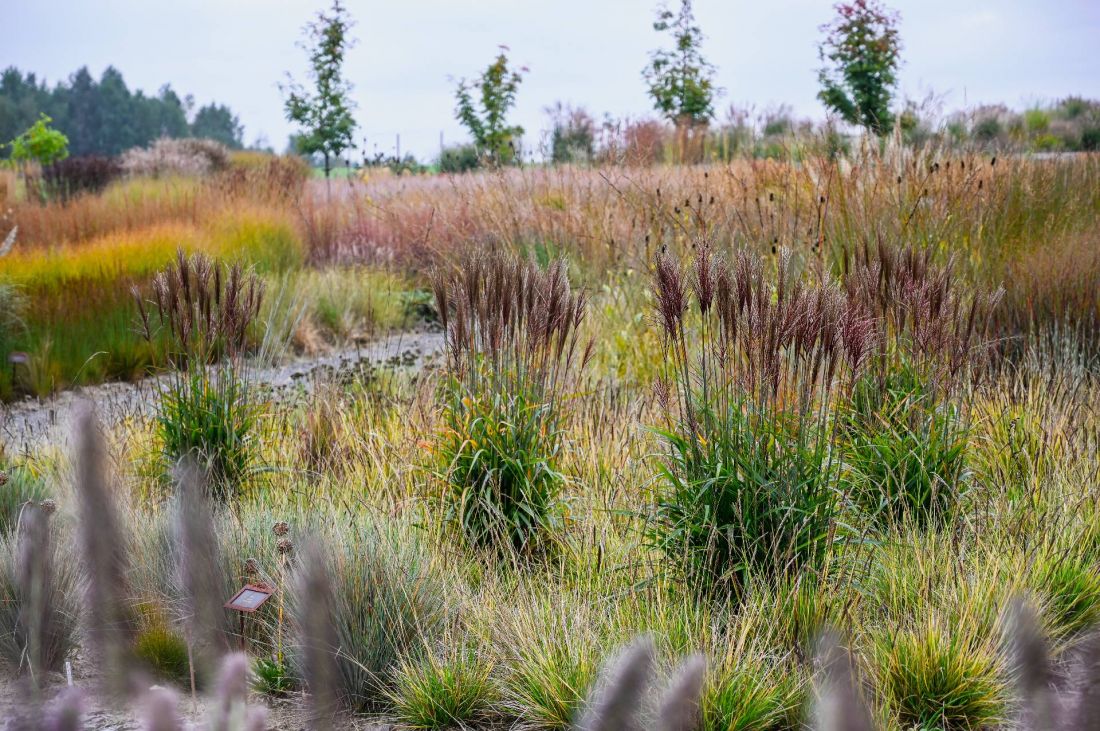
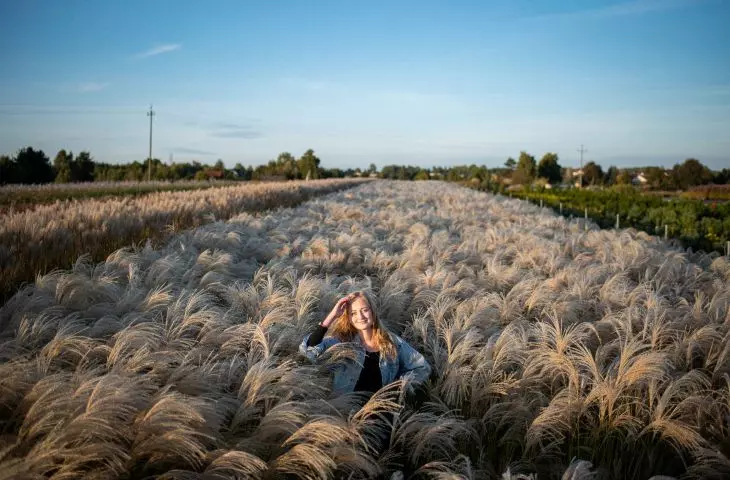
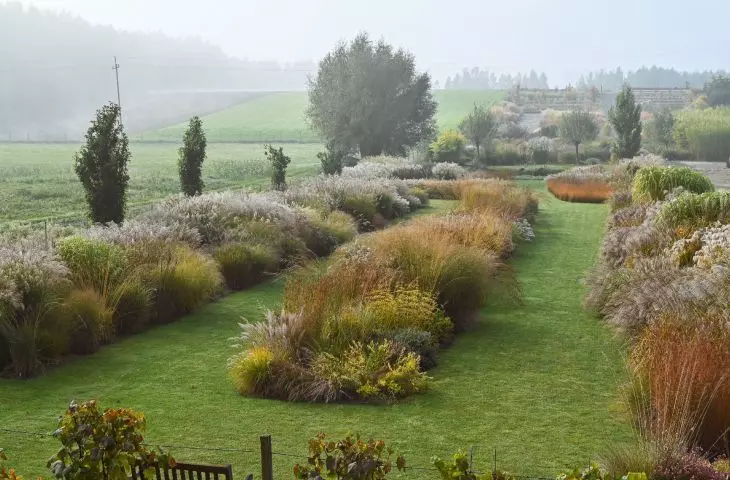
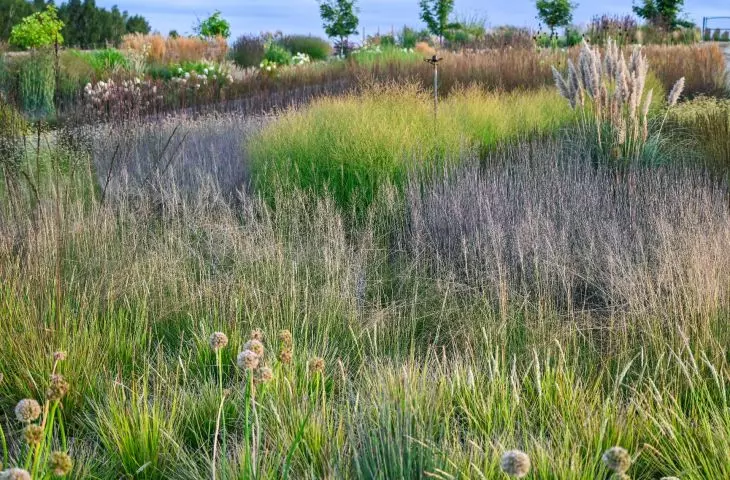
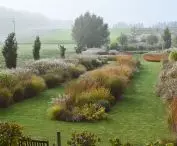
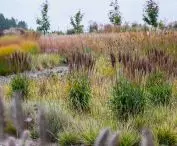
Show garden in October — Miscanthus sinensis ‘Piccolo Rubino’ PBR and Sesleria autumnalis
© Alicja Maj-Czopek
Currently, our garden features two new National Collections of the genera Sesleria and Molinia. At the same time, we’ve been paying attention to other grasses, not just miscanthus. We were intrigued by their diversity — the colors and forms of their inflorescences, their size (ranging from small fescues and seslerias to tall miscanthus and millet), their growth habit, and their timing of flowering and emergence after winter. It turned out that this is an exceptionally striking group of plants that is not particularly difficult to grow. They fit into various styles, ranging from naturalistic gardens to more structured and modern flowerbeds.
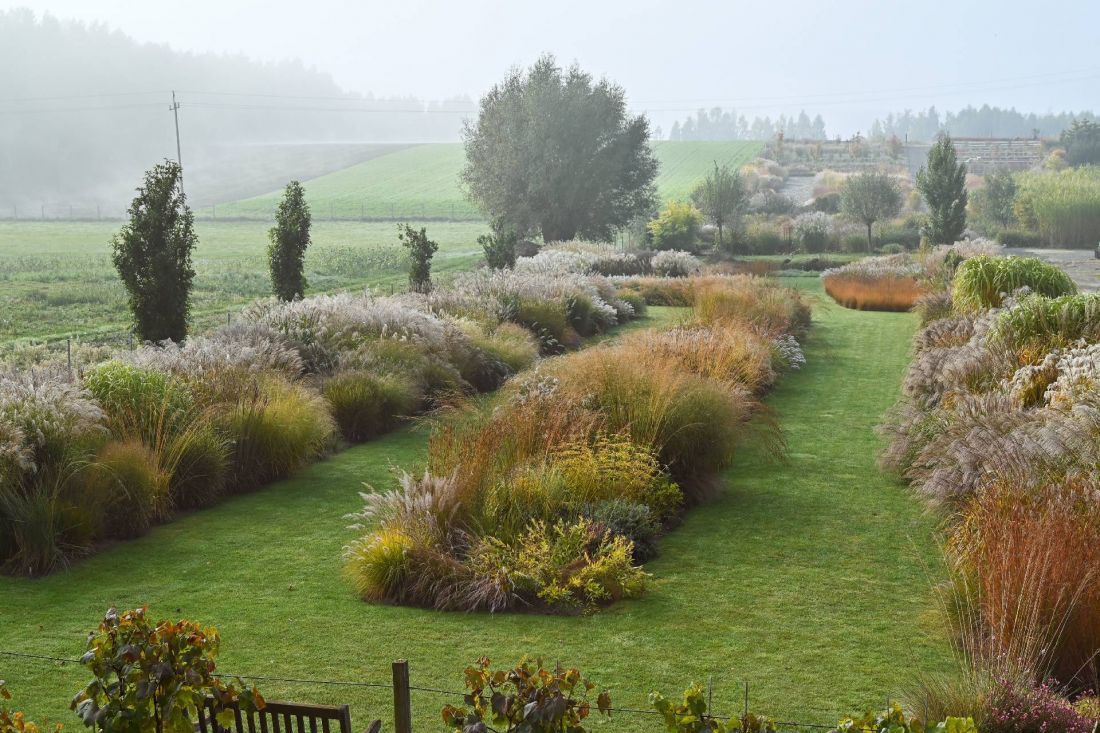
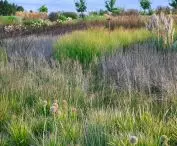
show garden in the fall
© Alicja Maj-Czopek
Ola Kloc: What are their ecosystem benefits?
Alicja Maj-Czopek: A large group of grasses has a dense and extensive root system, which helps stabilize soil structure, especially on slopes. Examples of such grasses include sand couch grass and bitter millet. A beneficial aspect of planting ornamental grasses is their ability to perform phytoremediation, which is particularly useful in urban plantings. Thanks to this, grasses such as reed canary grass, creeping bentgrass, and blue fescue can be used on heavily contaminated soils to naturally purify them. The dense arrangement of blades and leaves provides shelter for numerous insects. Birds can also benefit from them, particularly from the dry parts of the grasses, which are used for nest-building.
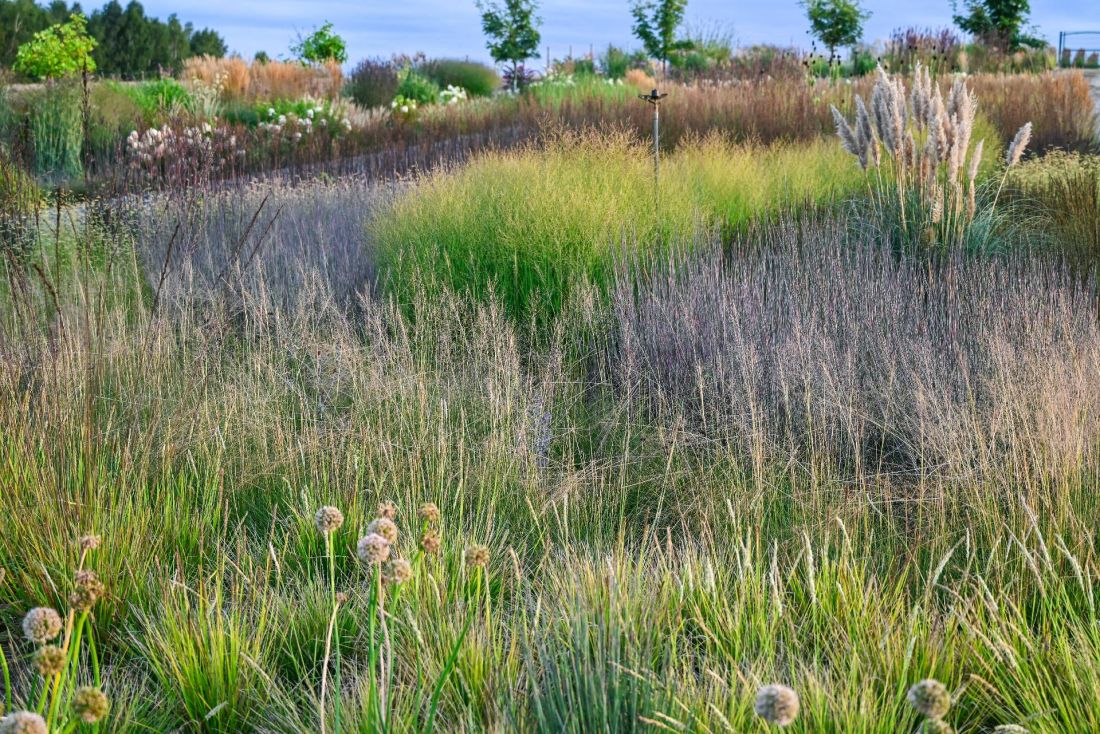
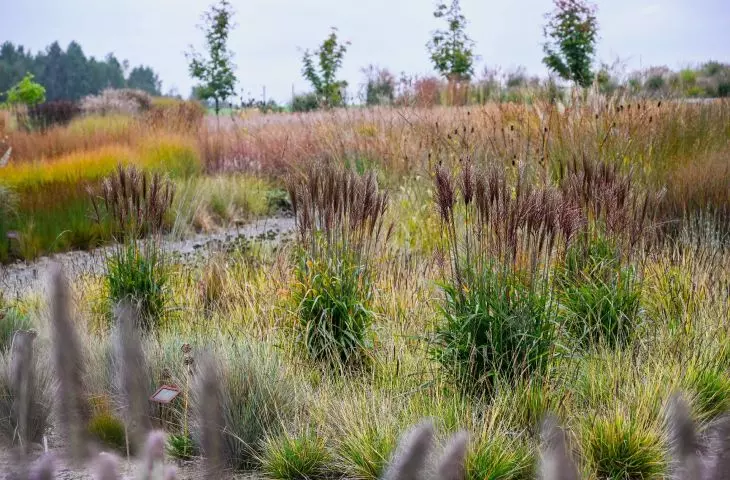
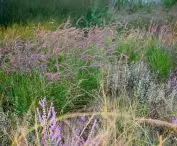
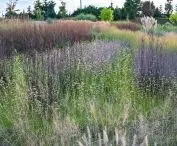
show garden — Sesleria autumnalis, Sporobolus airoides, and Panicum virgatum JS Buffalo Green PBR
© Alicja Maj-Czopek
Ola Kloc: Will they thrive in the city? Are they demanding plants?
Alicja Maj-Czopek: Grasses have varying requirements, ranging from soil moisture and fertility to the amount of sunlight. For the most part, however, they are relatively easy to grow. When selecting grasses for urban areas, it’s worth looking at species that tolerate poor soil and aren’t sensitive to water shortages. Such grasses include, among others, Gerard’s fingergrass, slender bottlegrass, evergreen oatgrass, and reed grass. Some grasses also tolerate saline soils, such as crested bentgrass and bitter millet. In urban areas, quaking grass and turf fescue also thrive. In perennial beds, medium quaking grass and Boehmer’s timothy make for striking fillers. Japanese silvergrass is somewhat more demanding, as it does not tolerate prolonged droughts or nutrient deficiencies in the soil. However, it can be replaced with eastern silvergrass, which tolerates poorer soil conditions.
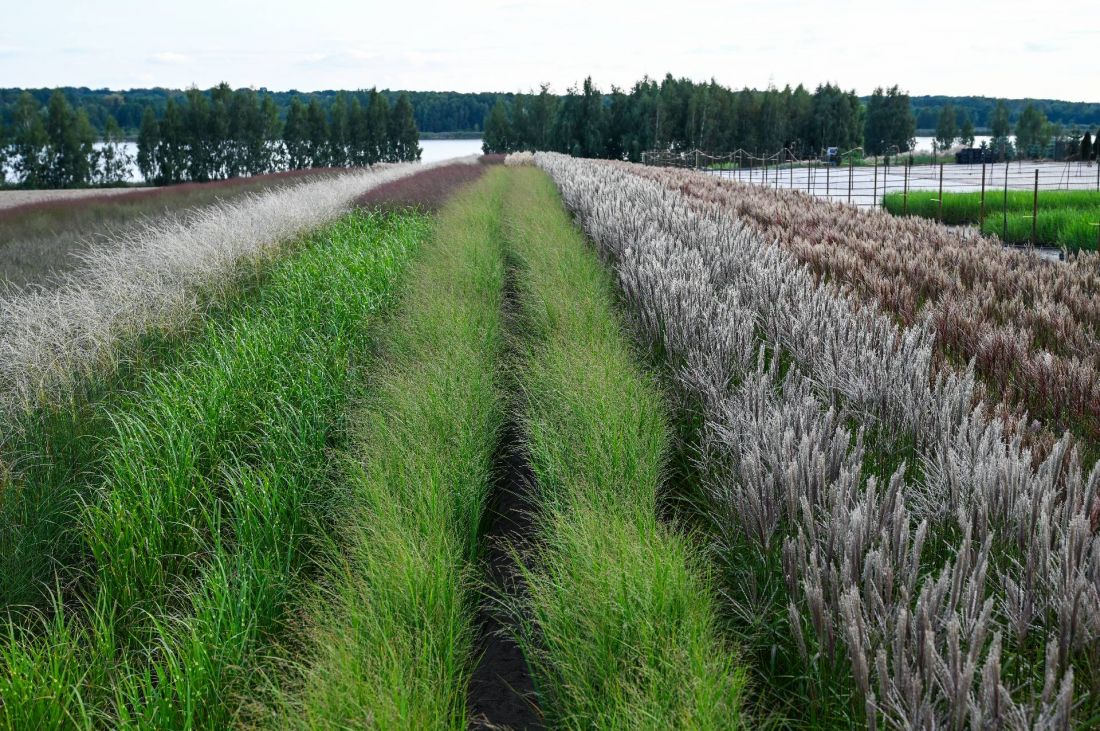
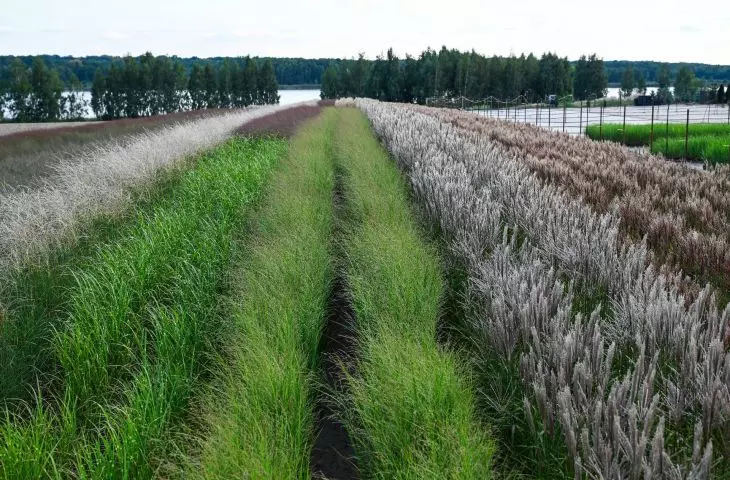
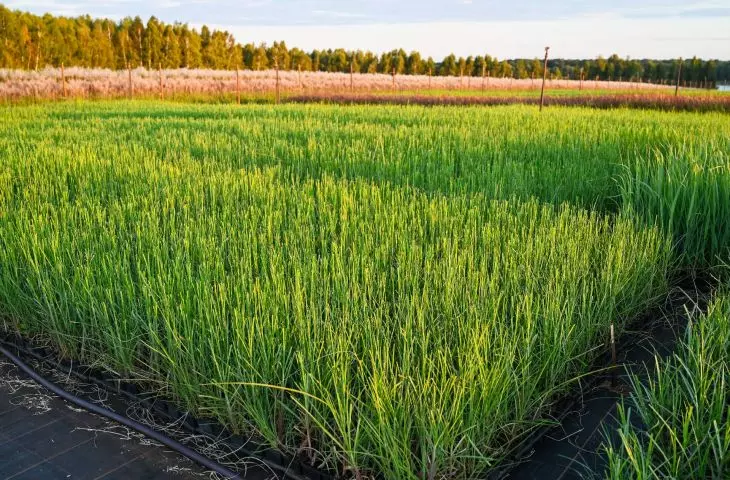
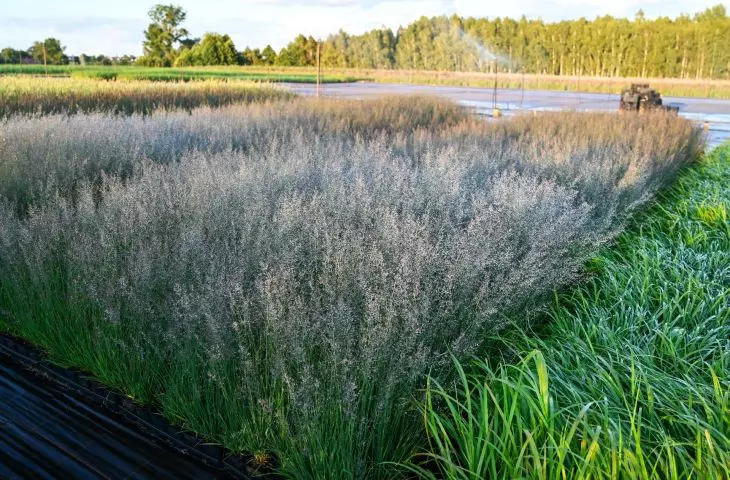
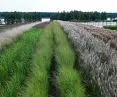
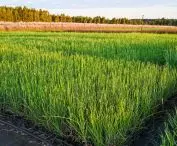
Nursery bed — from left: Miscanthus sinensis ‘Strictus’, Panicum virgatum ‘Northwind’, Miscanthus sinensis ‘Buraczok’
© Alicja Maj-Czopek
Ola Kloc: Will ornamental grasses work well in xeriscaping projects? Does this approach have a chance of catching on in Poland?
Alicja Maj-Czopek: There is a large group of grasses that will work well in xeriscaping projects. In our show garden, we test various species and assess their tolerance to drought as well as high soil moisture. Before adding a new plant to our selection, we first observe it and pay close attention to how it behaves in different growing conditions. Our demonstration garden features a varied topography, which allows us to observe plant growth in dry, moist, sandy, and clay soils. Grasses that definitely thrive in water-scarce conditions include, among others, the bold-leaved poronica, evergreen fescue, amethyst fescue, Walberl fescue, hairy bentgrass, eastern bluegrass, switchgrass, sand couchgrass, as well as fescues. Fescues, which are usually associated with moist meadows, also cope well with short-term water shortages. During water shortages, some grasses may be slightly shorter, and we are observing this very phenomenon this year. However, these differences are not drastic. We often observe that excess water can be worse for grasses than a shortage. Sesleria, for example, does not tolerate excess water.
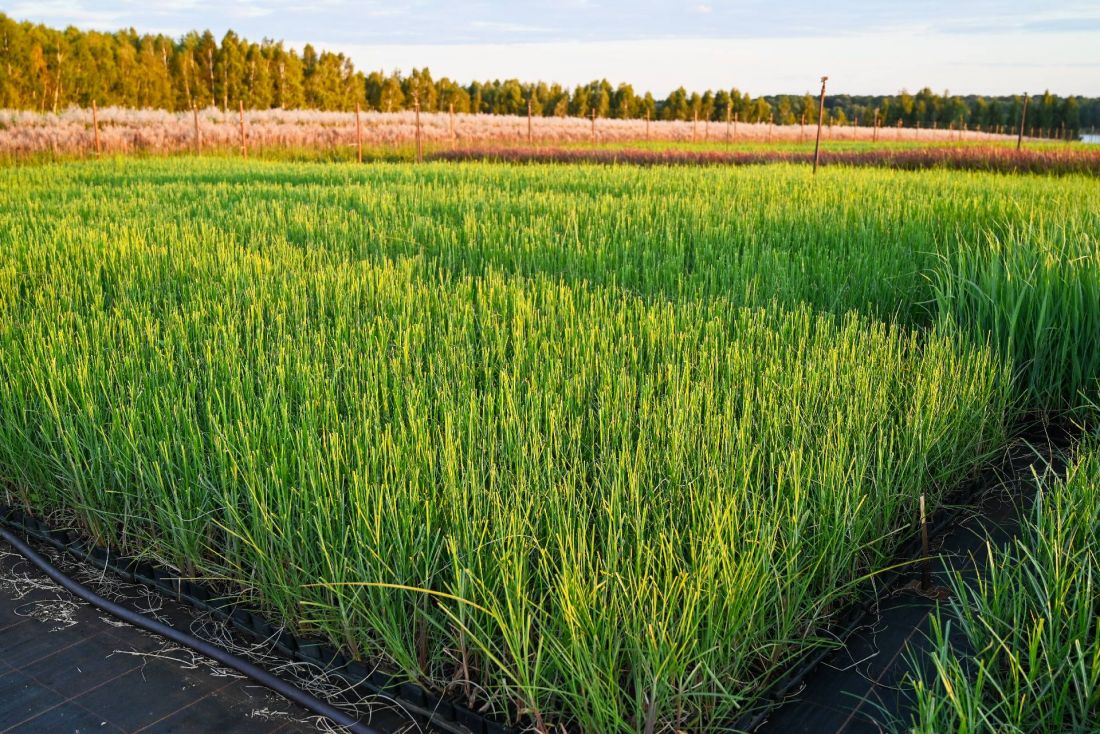
nursery — Miscanthus sinensis ‘Milos’ in a P9 container
© Alicja Maj-Czopek
Ola Kloc: What will the field workshop “Selection and Evaluation of Plant Material in Practice” entail?
Alicja Maj-Czopek: The field workshop “Selection and Evaluation of Plant Material in Practice” (organized by the Green Space Promotion Agency, under the auspices of the Polish Nurserymen’s Association) aims to comprehensively explain how to properly evaluate plant material in a nursery—whether it is properly developed and free from pests and diseases—and how to select plant material for a project (selection of species and varieties, as well as container sizes). Participants will have the opportunity to examine so-called “semi-finished products”—that is, plants in multi-pallets and P9 containers, as well as in larger C3 and C5 containers. Our nursery also features propagation beds with ornamental grasses and a demonstration garden, which will further enrich the training. Participants will first view the plant material at the nursery and will later be able to see it in demonstration plantings and compare planting densities across different species and varieties.
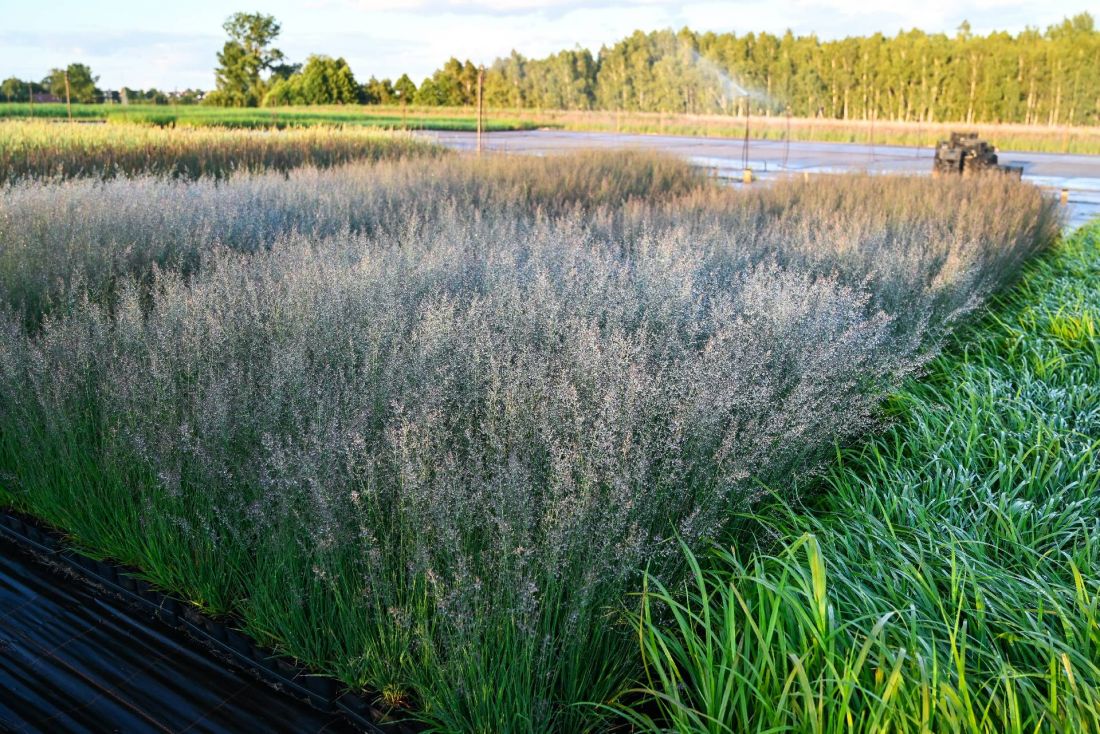
nursery — Molinia caerulea ‘Banshee’ PBR in a P9 container
© Alicja Maj-Czopek
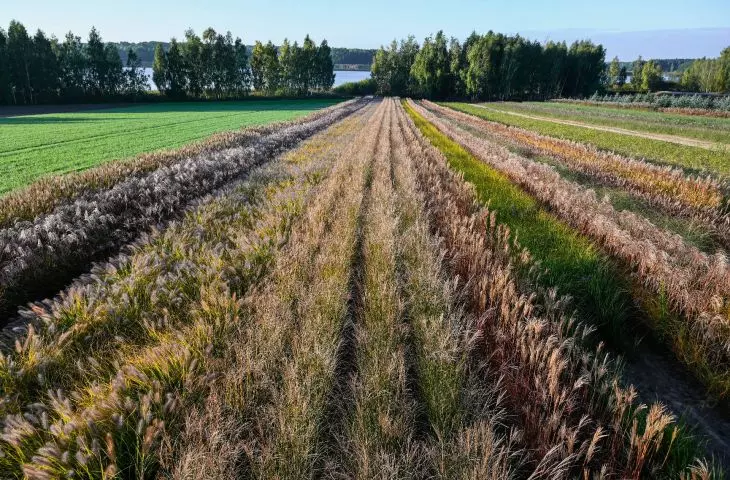
A special session on ornamental grasses will cover a range of topics, including the growth habits of grasses and the periods when individual species are at their most attractive. We will also discuss the growth rates of grasses and the differences among them. An additional feature will be a tour of the propagation beds, where we will discuss the production process and showcase the most interesting varieties for creating spectacular ornamental grass borders. We’ll share our experiences with producing nursery stock and creating plantings that incorporate grasses and perennials.
Ola Kloc: One of the workshop sessions will focus on the differences between public projects and private gardens—which plants should we prioritize in urban spaces?
Alicja Maj-Czopek: This is an important part of the training that we’ll be focusing on in particular. In private gardens, a wider range of species can be used. Some grasses require more attention or need better growing conditions, which they’ll have in a home garden. In urban plantings, we need to focus on proven, hardy plants that will provide attractive visual effects. Plants planted along roadways, for example , should tolerate saline soils as well as high concentrations of exhaust fumes and heavy metals. Careful attention must also be paid to the selection of specific varieties. An important consideration is a compact growth habit and a lack of tendency to lie flat. Grasses must not sprawl onto traffic lanes, which is why varieties with strong blades and an upright, stable growth habit are particularly valuable. The target height is also a key consideration to ensure the plants do not obstruct visibility. For example, varieties of fountain grass range from about 80 cm (fountain grass ‘Nosferatu PBR’) to over 2 m in height (fountain grass ‘Thundercloud’).
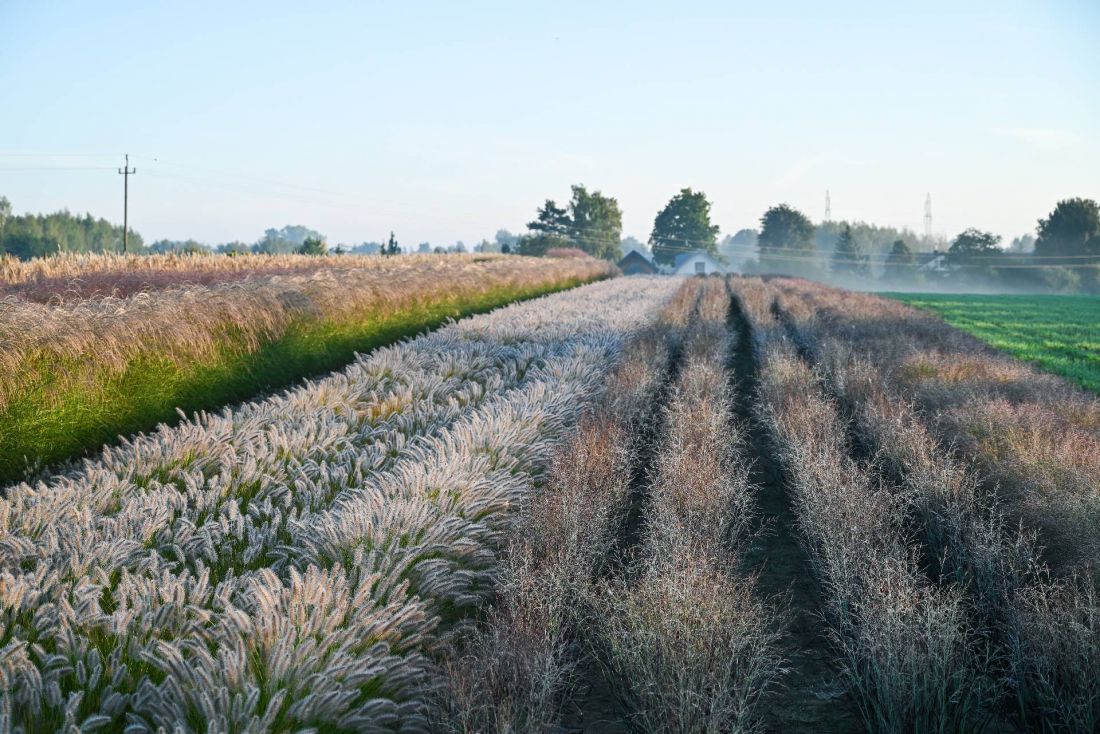
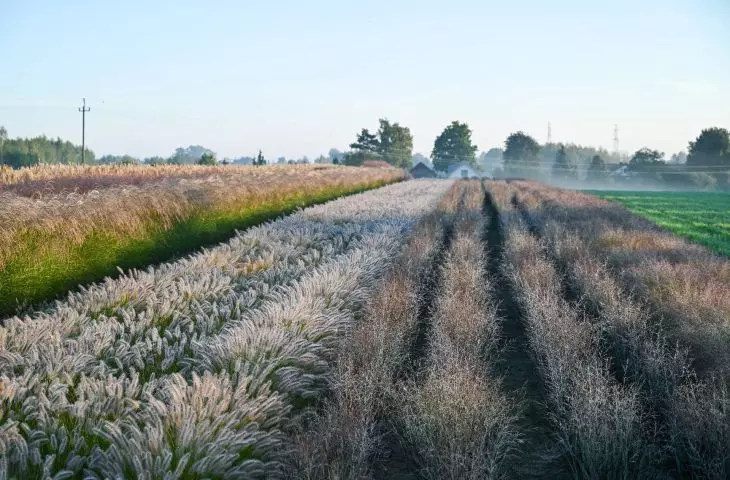
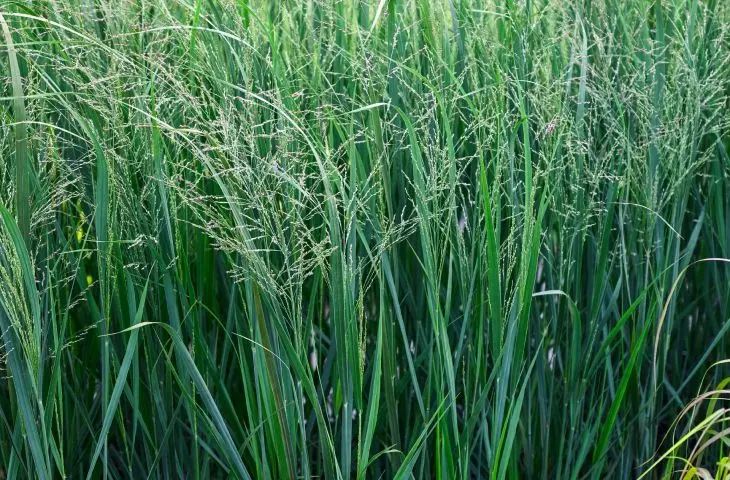
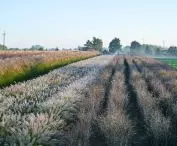
Nursery bed — Pennisetum alopecuroides ‘Hameln’ and Panicum virgatum ‘Nosferatu’ PBR
© Alicja Maj-Czopek
Workshop: Selection and Evaluation of Plant Material in Practice | Field workshop at the Daglezja nursery in Ryki
Date: Friday, September 18, 2026
Details and registration: LINK
Organizer: Green Space Promotion Agency, under the auspices of the Polish Nurserymen’s Association